I-QC
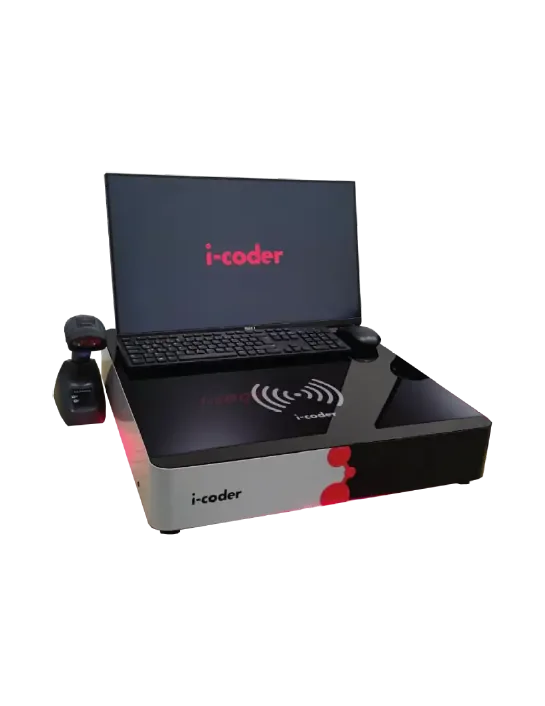
A desktop quality control device that tests within milliseconds whether RFID tags are encoded correctly

I-QC
Verifies EPC, TID, USER and RSSI data and separates faulty tags.
- EPC / TID / RSSI verification
- Single and multiple reads
- Faulty tag separation
Key features: RFID Tag Quality Control Device
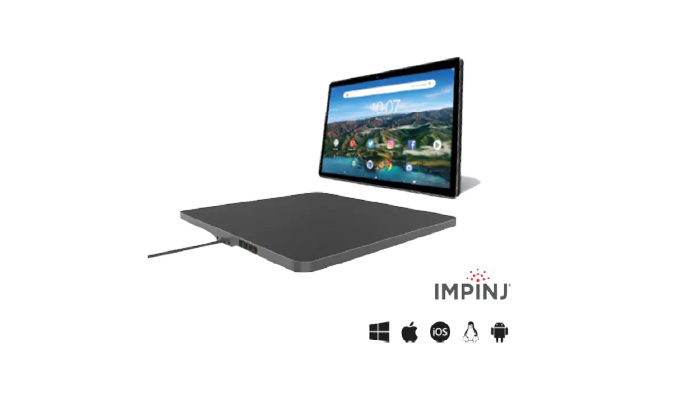
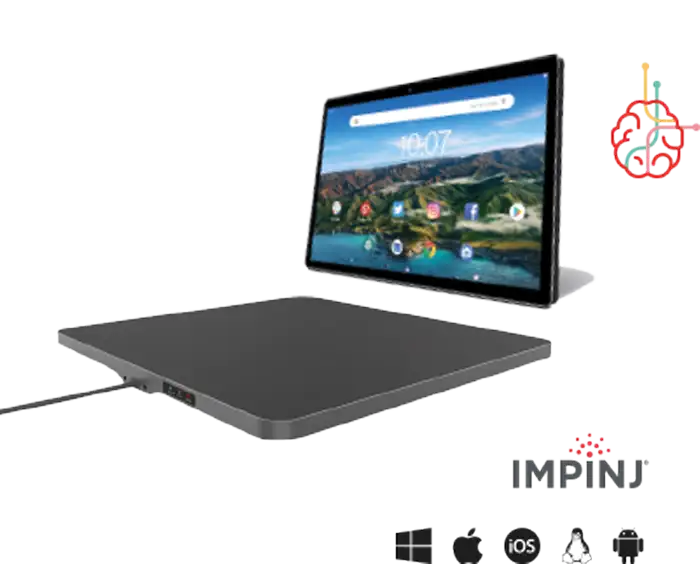
The I-QC is a slim desktop device measuring 318 x 318 x 20 mm. A tag is read wherever it is placed on the device; data such as EPC, TID, USERBANK and RSSI is captured within milliseconds. It produces different tones for correctly encoded and faulty tags.
UHF RAIN RFID
EPC, TID, USERBANK, RSSI
50 tags / second
50 cm read range
Audible alert
WiFi ve Ethernet
Technical details.
Use the technical specifications to assess how well the I-QC fits your system infrastructure and operational requirements.
- Product Type
- RFID-based tag quality control machine
- Protocol
- EPC Class1 Gen2 / ISO 18000-6C
- Frequency Range
- 860 - 960 MHz
- Maximum TX Power
- 30 dBm
- RX Sensitivity
- typ. -80
- Antenna
- Fixed beam antennas
- Communication
- WiFi - Ethernet
- Read Rate
- 50 tags / second
- Power Input
- 5 VDC
- Output
- Sound
- Dimensions
- 318 mm × 318 mm × 20 mm
- Maximum Read Range
- 50 cm
- Operating Temperature
- -20°C to 60°C
- International Standards
- ISO/IEC 18000-6C, EPC Global Class 1 Gen 2
- Compliance
- Compliant with EU Directive 2011/65/EU and RoHS 2015/863
- Industry
- Retail, logistics, warehouse
- Application Areas
- Fashion, eyewear, shoe stores, jewelry, accessories, shopping
- Data Checked
- EPC, TID, USERBANK, RSSI and other tag data
- Operating Mode
- Online and offline tag checking
Catch Faulty Tags Before They Reach the Product
In an RFID project, even a small share of faulty tags is costly. The I-QC cuts this cost at the tag stage.
- Millisecond speed
- Audio guidance
- Online and offline
- Clear data

What Is an RFID Tag Quality Control Device?
An RFID tag quality control device is a desktop reader that tests whether a tag works properly and is encoded correctly before it is applied to a product. Some tags may turn out faulty during tag production or encoding; if these are attached to products, they cause problems later in counting and checkout. Quality control makes it possible to catch these errors at an earlier and cheaper stage.
The I-QC operates with 30 dBm output power and a fixed beam antenna. It checks tags by reading their EPC code, the TID value that serves as the manufacturer ID, the USERBANK content and the signal strength (RSSI). It has online and offline operating modes; in online mode, the data read is compared with the expected value on the server. Tags compliant with the RAIN RFID standard are tested.
Because the device works with audio feedback, the operator does not need to look at a screen. They place the tag on the device, hear a short signal and send the correct tag on to the product.